
Hoodie
Why this product is in the Depot
I included this hoodie because maintaining body temperature is a key part of senior dog comfort. As circulation becomes less efficient with age, older dogs lose body heat more quickly, especially when resting. A light layer of warmth allows a senior dog to stay cozy without the bulk of a heavy winter coat, making it ideal for those “in-between” temperatures.
How I use it
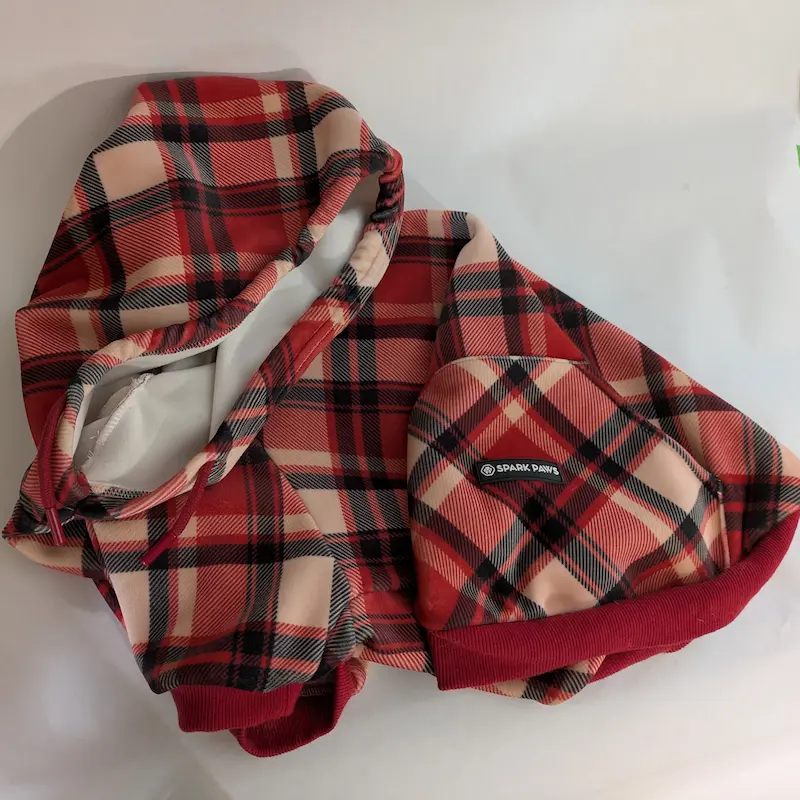
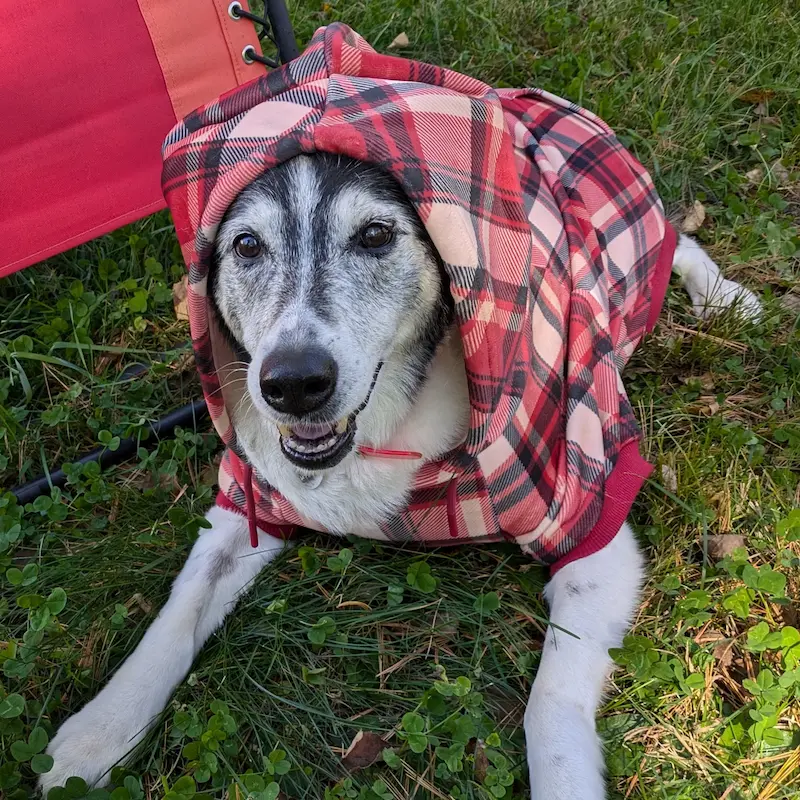
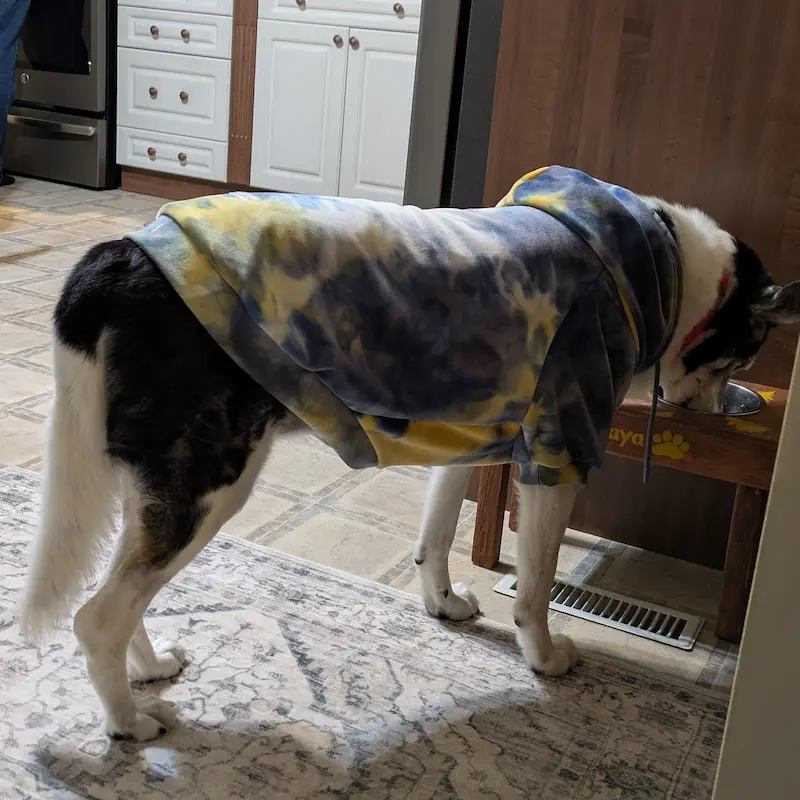
I got Maya a hoodie (and a matching one for myself!) in the fall of 2024 when she was 15. Maya has always loved spending time on our porch, even in the winter, but I noticed her getting chilled more easily. She wears this hoodie to regulate her temperature while she “regulates her mood” watching the birds and squirrels from her favourite outdoor spot. It’s the perfect layer for lounging without restricting her movement.
Why I recommend it
I recommend a soft hoodie because it’s a gentle, non-restrictive way to provide warmth. Unlike some heavy-duty outdoor gear, a sweatshirt is breathable and comfortable enough for long lounging sessions. It ensures that your dog can continue to enjoy the mental stimulation of being outdoors without the physical stress of being too cold. Plus, let’s be honest—seeing an old dog in a hoodie is a guaranteed mood booster for everyone around.
Considerations
-
Ease of Dressing: Look for models with plenty of stretch. Senior dogs can be stiff in the shoulders, so you want a garment that slides on easily without forcing their legs into uncomfortable positions.
-
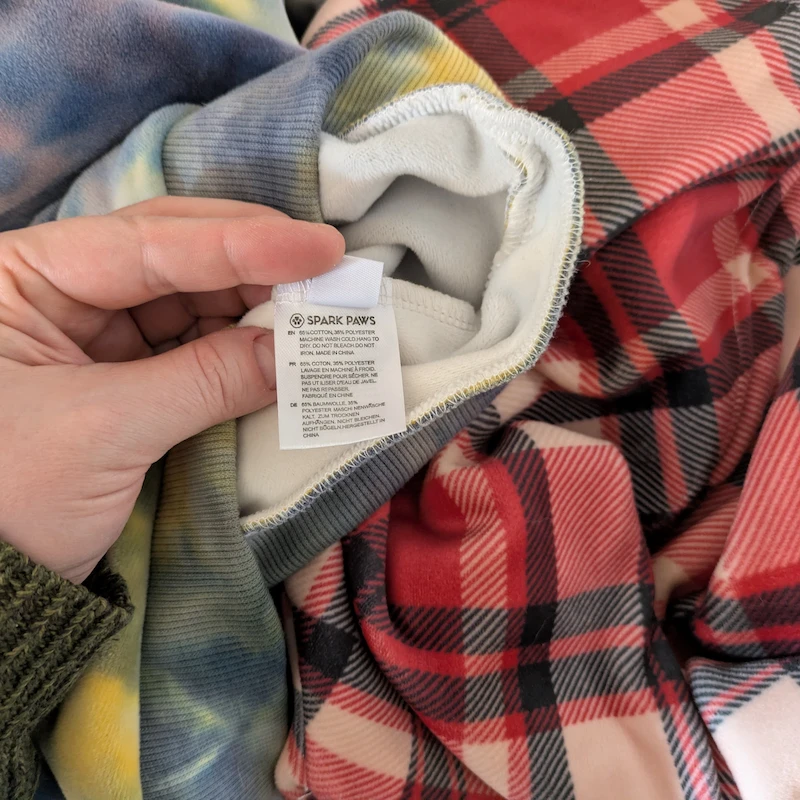
Fabric Quality: Choose ultra-soft, breathable fabrics like cotton blends that won’t irritate sensitive skin or cause overheating if the sun comes out.
-
Length: Ensure the hoodie is long enough to cover the major muscle groups of the back and hips, which are the areas most prone to stiffness when cold.
Where to get it
-
Spark Paws Hoodie
↗︎ Discover this product at Spark Paws
Some links are affiliate links, at no extra cost to you.
Important note
This product is presented for informational purposes only and is based on personal experience. It does not constitute medical advice or a universal recommendation. Every dog is different, so what works for one may not work for another.