
Paw wax
Why this product is in the Depot
I included paw wax because it is a versatile tool for both protection and traction. For senior dogs, paw pads can become dry, brittle, or “hyperkeratotic” (crusty), which causes them to lose their natural suction and grip on smooth floors. A good wax hydrates the skin to restore that grip while acting as a shield against environmental irritants like ice and salt.
How I use it
I’ve been using paw wax with Maya since she was 14. As she aged, she started picking up her feet less—both indoors and outdoors—which meant her pads were working harder. I apply it regularly to keep her pads hydrated and healthy.
Why I recommend it
I recommend paw wax as a multipurpose staple for any senior dog’s kit. Unlike boots, which some dogs may resist, wax is “invisible” and doesn’t interfere with their natural sense of touch. It’s an easy, non-invasive way to improve their confidence on indoor floors while providing a necessary barrier against the harsh Canadian elements when they step outside.
Considerations
-
Absorption Time: Give the wax a minute to soak in before letting your dog onto hardwood or tile to avoid “grease stamps” on the floor.
-
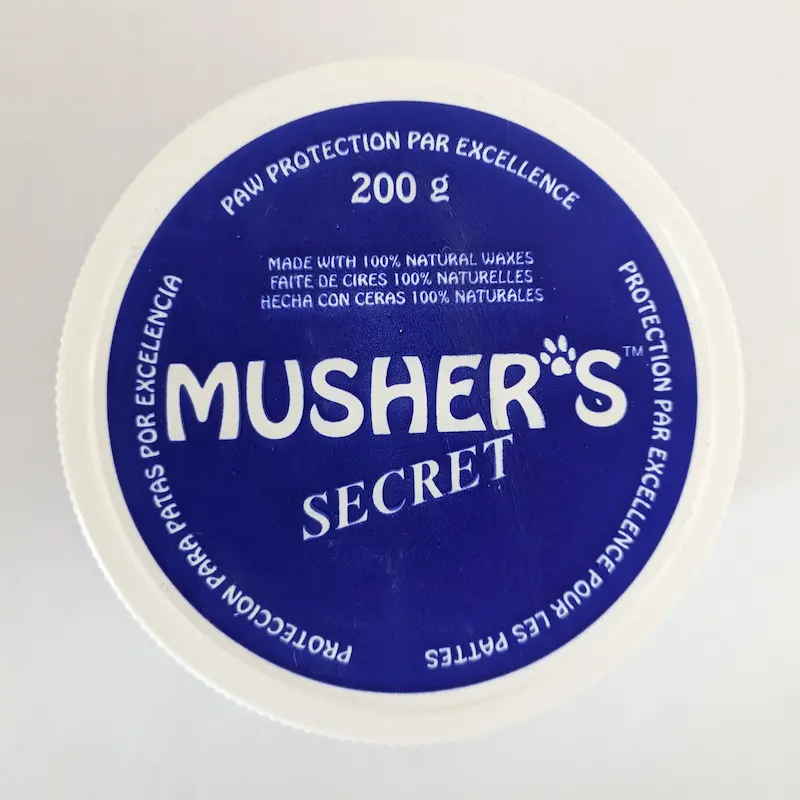
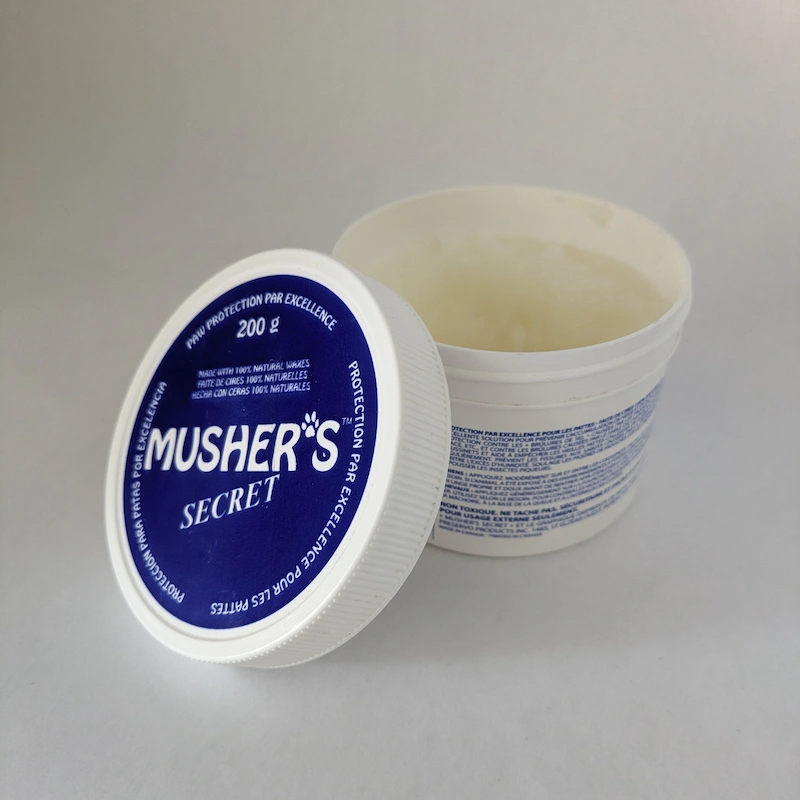
Safe Ingredients: Ensure you choose a food-grade, non-toxic wax (like Musher’s Secret), as many dogs will instinctively try to lick their paws after application.
-
Frequency: For the best results in restoring grip to dry pads, consistency is key. Applying it 2-3 times a week is usually enough to keep the skin supple and functional.
Where to get it
-
Musher’s Secret Dog Paw Wax
↗︎ Discover this product at Amazon -
PawZ MaxWax natural paw wax
↗︎ Discover this product at Mondou
As an Amazon Associate I earn from qualifying purchases. Some links are affiliate links, at no extra cost to you.
Important note
This product is presented for informational purposes only and is based on personal experience. It does not constitute medical advice or a universal recommendation. Every dog is different, so what works for one may not work for another.